DIY Buzz Frog Hook Modification

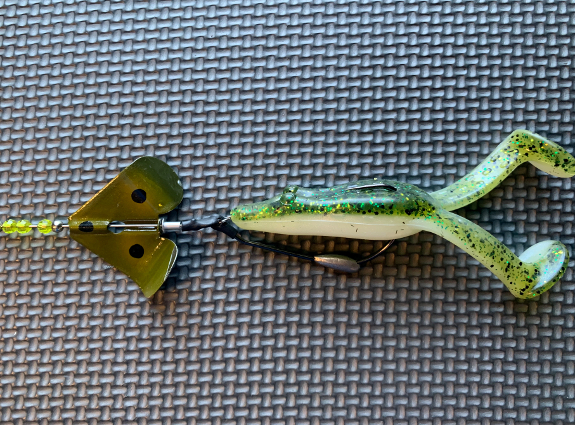
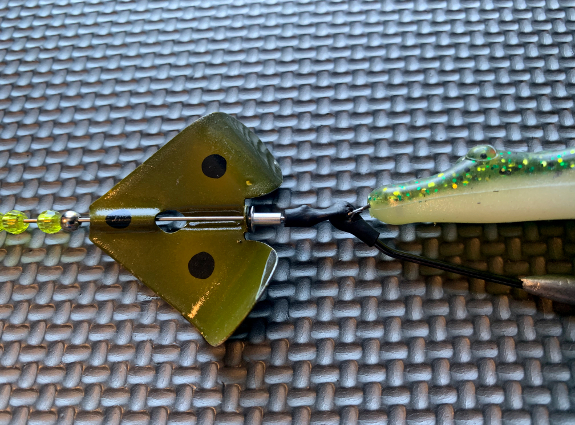
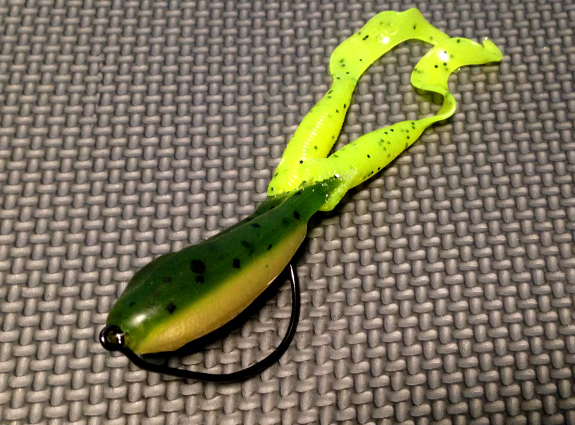
This season I started fishing buzz frogs.  I like the sonic action of the rotary prop.  Unfortunately, if the frog turns during a cast, the wire and hook eye can temporarily lock up and hence ruin the action of the frog on the retrieve.  I hence modify my buzz frogs with heat shrink tubing to keep hook inline with the wire.  This hook modification only requires some simple tools and heat shrink tubing.

Fish360 DIY Buzz Frog Hook Modification

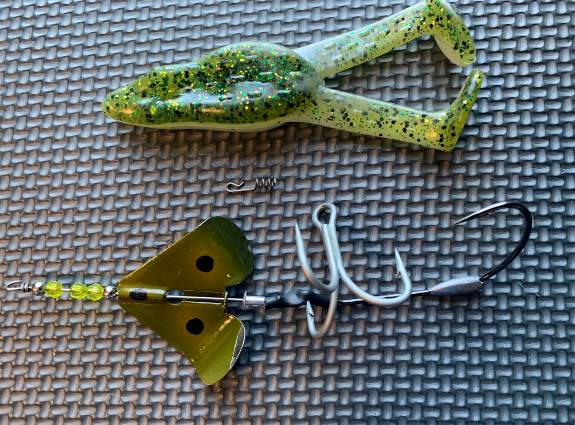
First, remove the frog and the bait keeper from the hook. Carefully thread a 3/4″ length of heat shrink tubing (3/16″ diameter) over the hook until the hook eye/wire joint is reached.  Bend the wire so that it’s inline with the eye of the hook.  Apply heat to shrink the tubing.  Let the tubing cool.

Fish360 DIY Buzz Frog Hook Modification

Second, make a hole in the tubing on either side of the hook eye; for example, with the point of another hook

Fish360 DIY Buzz Frog Hook Modification

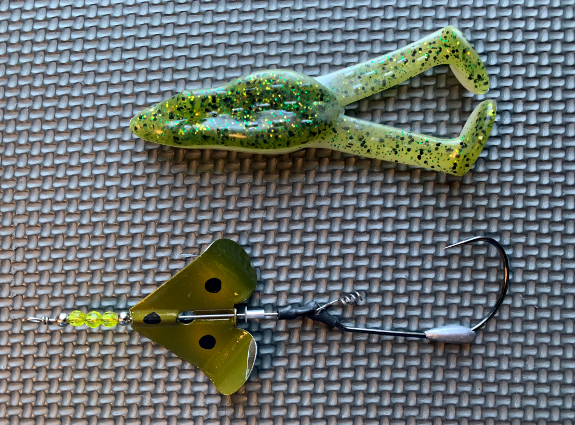
Third, re-secure the bait keeper to the hook eye.

Fish360 DIY Buzz Frog Hook Modification

And lastly, re-secure the frog to the keeper and then the hook.

A bad cast can cost you a fish! I highly recommend this buzz frog hook modification because it will improve the bait’s castablity, action, and hook up rates.


Facebooktwitterlinkedin

DIY Transducer Side Arm Jig

I have multiple kayaks. Each kayak has it’s application.  When I was selecting a fish finder, my primary requirement was mobility.  I needed a solution that that I could quickly move between kayaks: battery, unit, and transducer.  The most challenging part was the transducer.  I chose the Ram Mounts Transducer Arm.

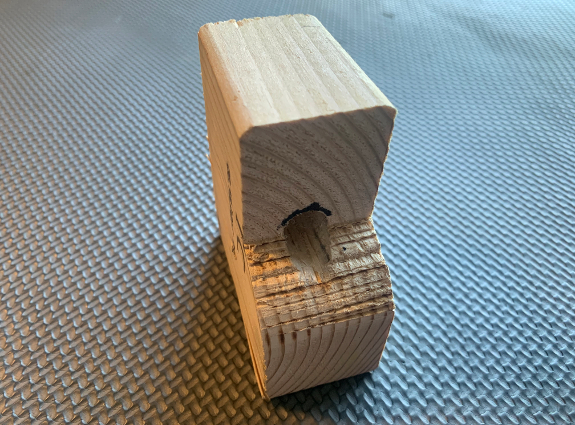
Fish360 DIY Transducer Side Arm Jig

The Ram Mounts Transducer Arm comes with a straight aluminum rod.  You need to put a 90 degree bend at the right point on this rod.  Bending a 90 degree angle into the straight aluminum rod is easy, if you have a jig!  Download and print my jig template.  Cut out the template and trace it onto a scrap piece of wood (e.g. 1.5″ W x 3.5″ H x 3″ L).  Cut along the lines via band saw or jig saw.  (Wear eye protection!).  Drill a 0.5″ hole via power drill through the center of the jig.

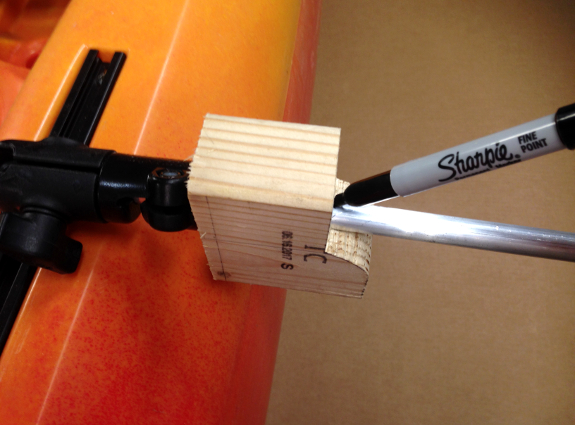
Fish360 DIY Transducer Side Arm Jig

Secure the Ram Mounts 1″ ball and clamp to your kayak’s gear track.  Insert the aluminum rod into the clamp.  Pass the jig through the aluminum rod.  With a Sharpie, mark the aluminum rod at the end of the jig.  Remove the aluminum rod and jig from the clamp.

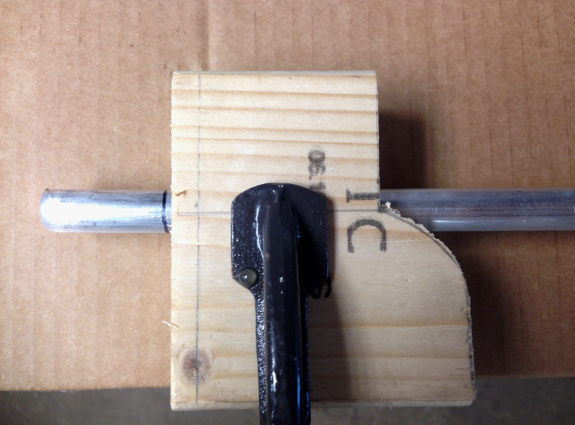
Fish360 DIY Transducer Side Arm Jig

Secure the jig to a work bench via clamp.  Adjust the aluminum rod until the Sharpie mark is aligned with the edge of the jig.  Gradually bend the aluminum rod.

Fish360 DIY Transducer Side Arm Jig

Mount a stock piece of wood on the other side of the rod.  Gradually bend the rod in the opposite direction to form a 90 degree angle.

Fish360 DIY Transducer Side Arm Jig

Attach the bent aluminum arm to the Ram Mounts clamp on your kayak’s gear track.  Insert the plastic sleeve onto the aluminum arm.  Secure the transducer housing to the end of the aluminum arm.

Fish360 DIY Transducer Side Arm Jig

The RAM Mounts Transducer Arm provides me with maximum mobility.  When I need maximum speed on the water, I rotate the arm until it’s parallel to the water.  Great product!  Perhaps some day it will come with it’s own jig to bend the aluminum rod.


Facebooktwitterlinkedin

DIY Hobie YakAttack Gear Track Install

I purchased a used Hobie Revolution 13 kayak.  The hands-free propulsion and ruder system is amazing!  The only short coming is the lack of gear tracks.  Having used gear track on my Wilderness System kayaks for several years, I find them to be indispensable.  Hence, I decided to drill holes into my Hobie and mount two YakAttack Gear Tracks.

Fish

The older Hobie Revolution 13 kayaks have a flat spot just above the rudder controls.  This is a ideal spot to mount YakAttack GT90 4″ Gear Tracks.   You can do this your self with some simple tools and materials.

Materials

  1. YakAttack GT90 4″ Gear Track
  2. YakAttack GT90 4″ Gear Track Backing Plate
  3. Scrap piece of 1/4″ plywood (or another material)

Tools

  1. Power Drill
  2. 1/8″ Drill Bit
  3. 3/32 Allen Wrench
  4. Safety Glasses

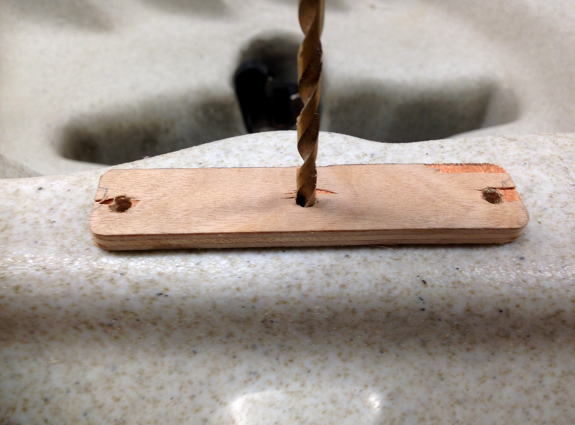
Make a jig or template of the gear track.  Place the jig on one of the flat spots just above the rudder controls.  Drill a 1/8″ hole.  Place one of the screws through the hole to keep the jig from moving.  Drill a second 1/8″ hole.  Place another screw through the hole to keep the jig from moving.  Drill the third 1/8″ hole.

Fish360 Hobie YakAttack Gear Track

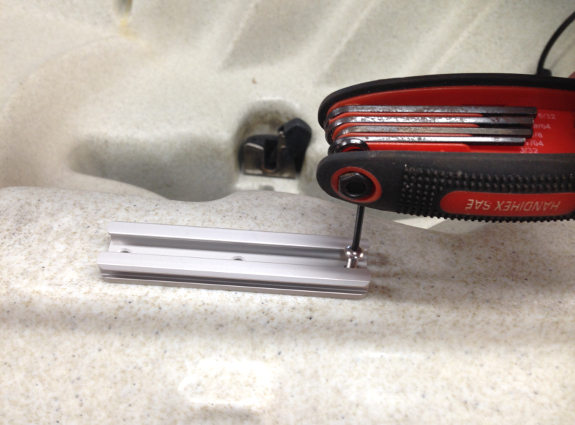
Remove the jig.  Position the YakAttack Gear Track on deck and align the holes.  Insert screws through the holes.  Open the front hatch to access the area underneath the track.  Secure the backing plate by tightening the screws via Allen wrench.

Fish360 Hobie YakAttack Gear Track

Drilling holes into a kayak can be daunting.  However, by creating and using a jig, you can install YakAttack gear tracks efficiently and accurately.

Facebooktwitterlinkedin

Storing Soft Plastics with DIY Labels

Many anglers keep soft plastics in their original plastic bags and then store all of the bags in a hard-shelled plastic box.  The advantage of this simple storage solution is that you have the labels on each bag.  I store my soft plastics (frogs, worms, creatures, etc.) in Plano boxes (2-3620-01 and 2-3600-01) because it’s more efficient.  For accuracy, I make my own labels so that I can quickly know the size, color, and model of the soft plastic in each Plano box chamber.

Fish360 Storing Soft Plastics DIY

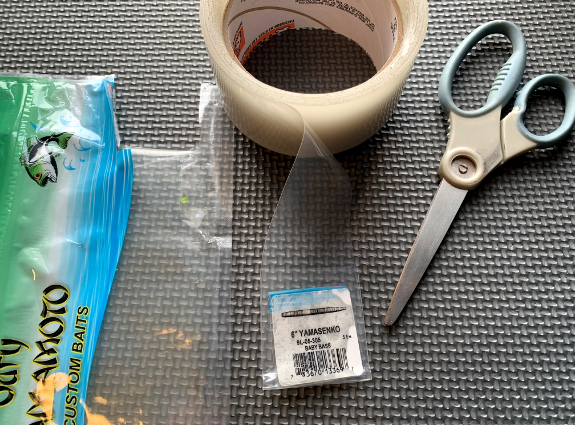
I make my labels in three steps.  First, I cut the label off the original plastic bag using a pair of scissors.  Second, I place the label on clear packaging tape and fold the tape onto itself.  Third, I trim around the buried label via scissors.

Fish360 Storing Soft Plastics DIY

I like this simple labeling solution because it makes the label stiff and waterproof (which is important when the original label is a sticker). When a bait is running low, I know what to re-order.

Storing soft plastics with DIY labels in Plano boxes (2-3620-01 and 2-3600-01) is efficient and accurate.  Time is fish!

Facebooktwitterlinkedin

Treble Hook Hangups

I like to up-size the treble hooks on my plugs with the largest VMC treble hooks that I can without compromising the plug’s action. Large treble hooks are taller and slightly heavier. These two characteristics cause the treble hooks to swing and hang up on the body of the plug. I want my treble hooks to hook fish, not my plugs!

Fish360 Treble Hook Hangups

My solution to this inconvenient problem is to reduce the flexibility between the treble hook and the swivel. Traditionally this is done by removing the split ring; cutting a channel on the hook eye; inserting the swivel loop through the newly formed channel; and closing the channel. I do not like this solution because it reduces hook strength. I target BIG fish. Strength reduction is not an option. Hence, I reduce the flexibility via heat shrink tubing.

Fish360 Treble Hook Hangups

This solution can be realized with a simple procedure:

  • Remove the treble hook (along with the split ring) from the plug via splint ring pliers.
  • Insert the split ring and treble shank into a length of 1/4″ shrink tubing.
    • TIP: If necessary, insert the splint ring pliers into the shrink tubing and open them to slightly enlarge the tubing.
    • WARNING: Be careful not to puncture your self!
  • Cut the excess tubing just above the split ring via utility knife.
  • Secure the treble hook with the splint ring and shrink tubing to the plug’s swivel via split ring pliers.
  • Shrink the tubing via heat.

This solution has passed testing in my workshop. I am looking forward to field testing it on the rock studded shore of Cutthyhunk island during the upcoming season. Fish beware! 😉

Facebooktwitterlinkedin

DIY Ice Fishing Tool Bucket

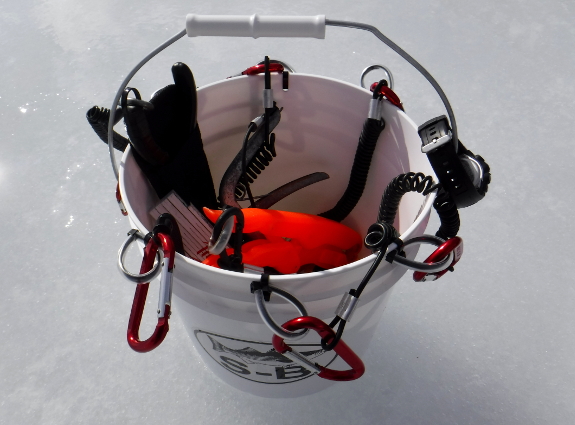
When I am ice fishing, I have 5 tip-ups set while I am jigging.  I have all of my tools in a bucket: long needle nose pliers, scale, ruler, lip-gripper, etc..  This simple bucket allows me to be ultra-mobile.  At a moment’s notice I can be at one of my holes with tools in hand. 🙂

Fish360 DIY_Ice Fishing Tool Bucket

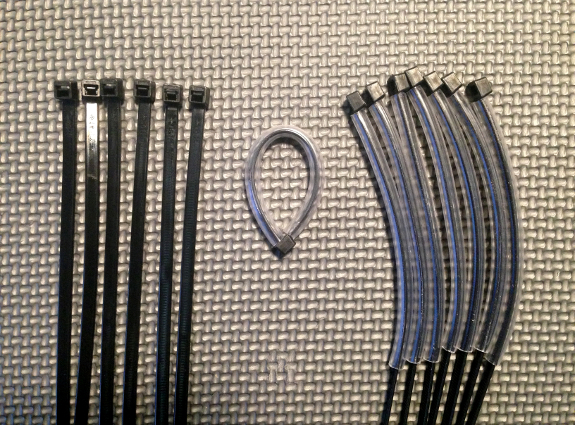
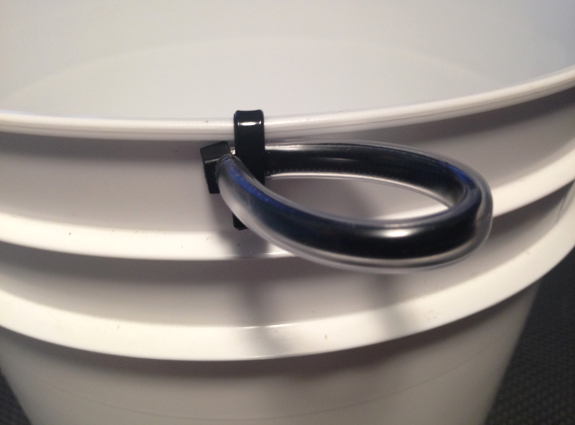
Making your own DIY Ice Fishing bucket is easy and fast.  Cut 6 4″ long lengths of 1/4″ diameter vinyl tubing via utility knife.  Flatten each vinyl tube length via pliers.  Insert a zip tie into each of the vinyl tubing lengths.  Close each zip tie to form a loop and cut off the excess via utility knife.

Fish360 DIY_Ice Fishing Tool Bucket

Drill 6 equidistant holes along the top edge of the bucket using a power drill with a 7/32″ drill bit.  Pass a zip tie through each of the 6 equidistant holes.  Secure the vinyl-zip-tie loops to the top edge of the bucket via zip ties.  Cut off the zip tie tips.

Fish360 DIY_Ice Fishing Tool Bucket

TOOLS

  • Power Drill
  • 7/32″ Drill Bit
  • Utility Knife
  • Tape Measure
  • Pliers

MATERIALS

  • 2 Gallon Bucket
  • 1/4″ Diameter Vinyl Tubing
  • 16 Zip Ties
  • 6 Lanyards
  • 12 Carabiners


Facebooktwitterlinkedin

DIY Side Arm

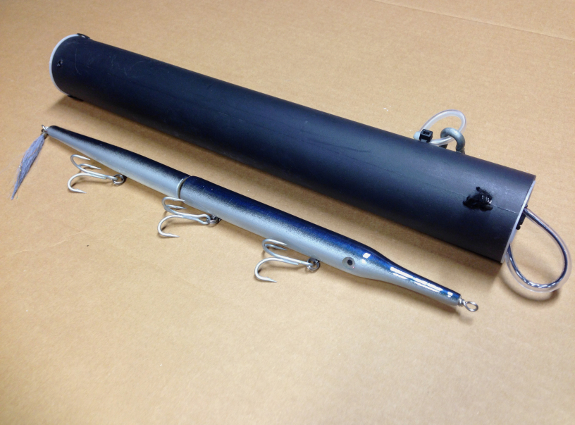
I like casting BIG wooden plugs into the surf.  BIG wooden plugs do not fit in surf bags.  Hence, I have built a side arm to carry my over-sized plugs.  You can too!
Fish360 DIY Side Arm

STEP 1
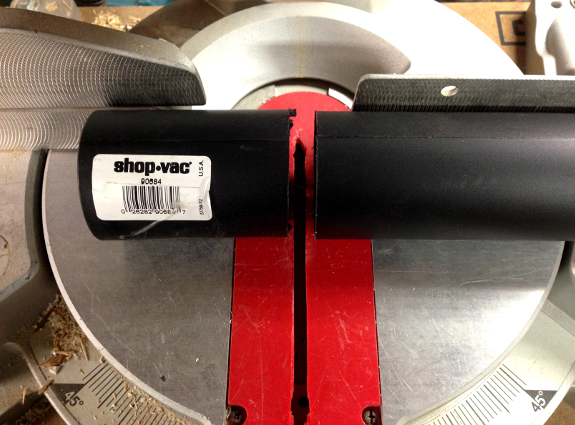
Measure 3 1/2″ down from the top edge of the wider diameter end of the tube and make a mark.  Cut this 3 1/2″ length off the tube via miter saw.  Since the tube is tapered, insert a shim under it to level it before cutting.
Fish360 DIY Side Arm

STEP 2
Drill four 11/64″ holes equidistant along the interior of the bottom end cap.

Fish360 DIY Side Arm

STEP 3
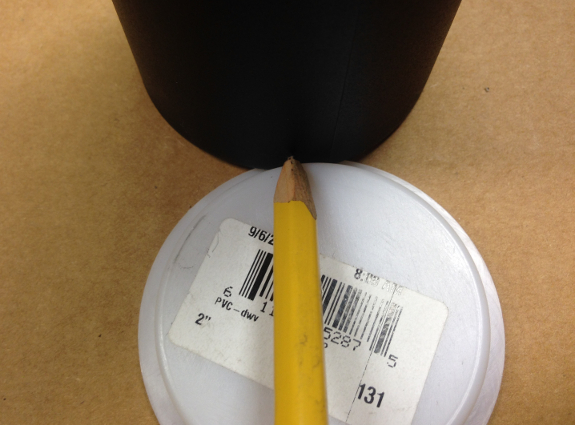
Mark the height of the end cap on on the smaller diameter end of the tube.  This is the bottom end.
Fish360 DIY Side Arm

STEP 4
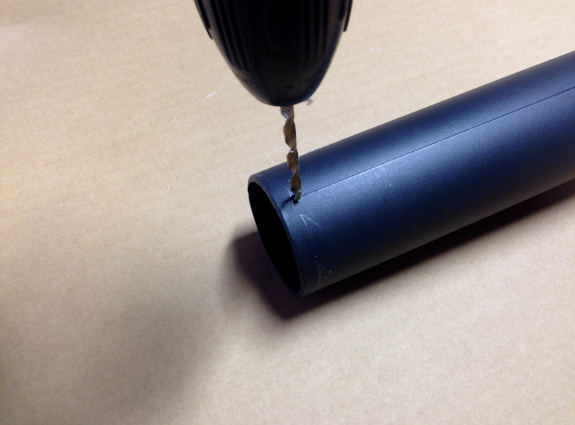
Drill four 11/64″ holes equidistant below the marked height of the end cap on the side wall of the tube (bottom end).  Be sure to align each hole with the corresponding holes on the bottom end cap.
Fish360 DIY Side Arm

STEP 5
Insert zip ties through a hole on the end caps and through it’s corresponding holes on the side wall of the tube.  Repeat for the other three holes.

Fish360 DIY Side Arm

STEP 6
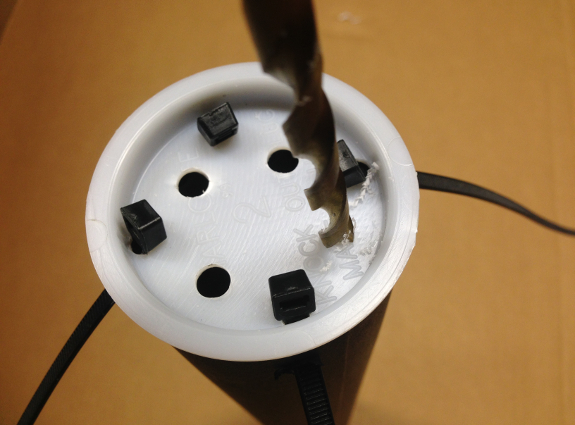
Drill four equidistant 1/4″ holes on the bottom end cap for drainage.  Close the zip ties and cut the excess off via utility knife.
Fish360 DIY Side Arm

STEP 7
Drill two 5/32″ holes opposite each other on the interior of the top end cap.  Drill two 11/64″ holes adjacent to each other on the center of the end cap.

Fish360 DIY Side Arm

STEP 8
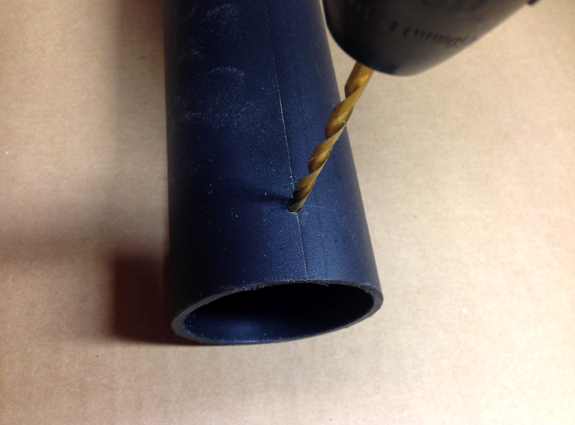
Measure 3/4″ from the top edge of the tube (larger diameter end) and make a mark.  Drill a 5/32″ hole on the side wall of the tube just below the 3/4″ mark such that it aligns with the hole on the top end cap.  Repeat on the opposite side of the tube.
Fish360 DIY Side Arm

STEP 9
Passing a zip tie through a 5″ length of 1/4″ diameter vinyl tubing and closing the zip tie to form a loop.  Cut the zip tie tip as close as possible via utility knife.

Fish360 DIY Side Arm

STEP 10
Secure the loop to the top end cap via zip tie by passing it through both holes in the center of the cap.

Fish360 DIY Side Arm

STEP 11
Put a knot on one end of the the 1/8″ diameter paracord.  Pass the other end through one of the side wall holes on the top end of the tube.  Continue passing the other end of the paracord through the correspoding hole on the top end cap, through the opposite hold on the end cap, and finally out through the other hole on the side wall.  Tie a knot and cut the extra paracord 1/4″ above the knot.

Fish360 DIY Side Arm

STEP 12
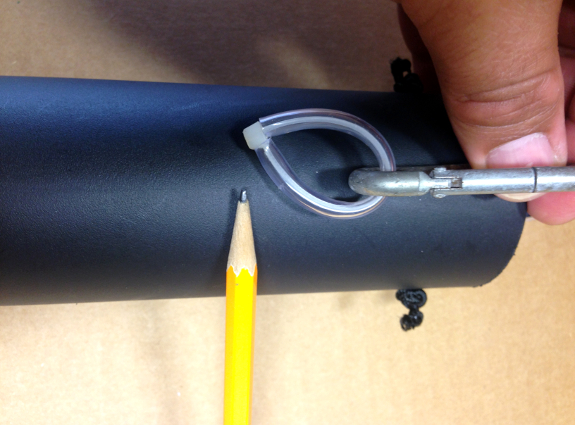
Make another lop via zip tie and vinyl tubing.  Clip the loop onto a medium sized carabiner.  Measure and mark the total length of the loop and carabiner on the side of the top end.
Fish360 DIY Side Arm

STEP 13
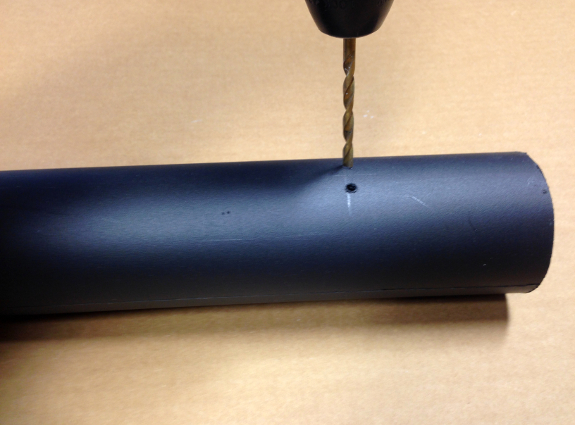
Drill two 11/64″ holes opposite each other at this vertical mark.
Fish360 DIY Side Arm

STEP 14
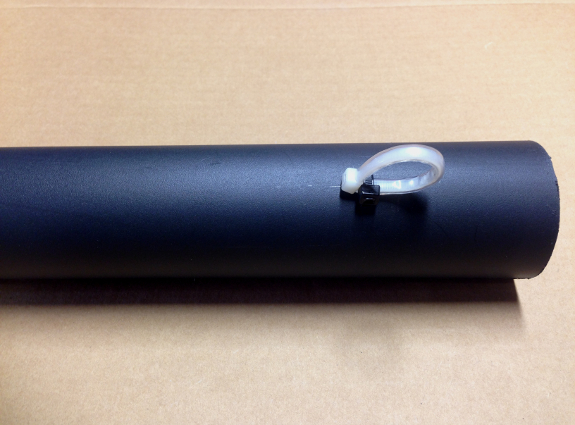
Secure the loop to the side wall by passing a zip tie through both holes.  Cut the zip tie tip as close as possible via utility knife.  Clip the carabiner to the loop.
Fish360 DIY Side Arm

MATERIALS

TOOLS

  • Safety Glasses
  • Power Miter Saw
  • Power Drill
  • 5/32″ Drill Bit
  • 1/4″ Drill Bit
  • 11/64″ Drill Bit
  • Needle Nose Pliers
  • Utility Knife
Facebooktwitterlinkedin

DIY Knot Tying Jig

I tie all of my leader before my fishing trips for two reasons.  First, this allows me to make and test my leaders with the strongest knots possible.  If a knot passes my test, but does not look right, I cut and re-tie.  Second, this saves me time on the water.  Time is fish!

Fish360 DIY Knot Tying Jig

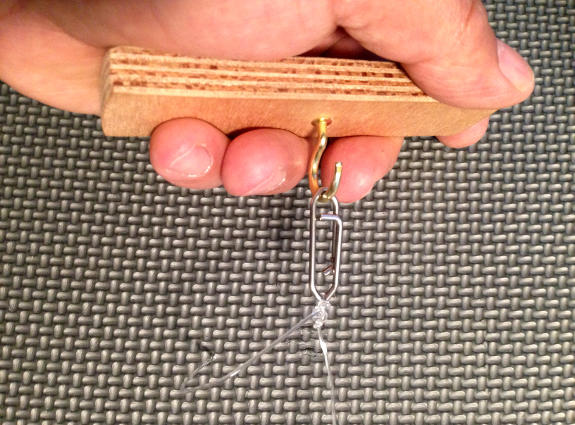
Making a Knot Tying Jig is simple.  Drill a pilot hole into a stock of wood (1″ wide x 0.75″ high x 3″ long).  Twist a hook hanger into the pilot hole.  That’s it!

I have two Knot Tying Jigs.  One in my workshop and one in my travel bag.  This small and simple jig allows me to tie high quality leaders efficiently at home or on the road.  Make one today!

Facebooktwitterlinkedin

Frankenstein Frogs

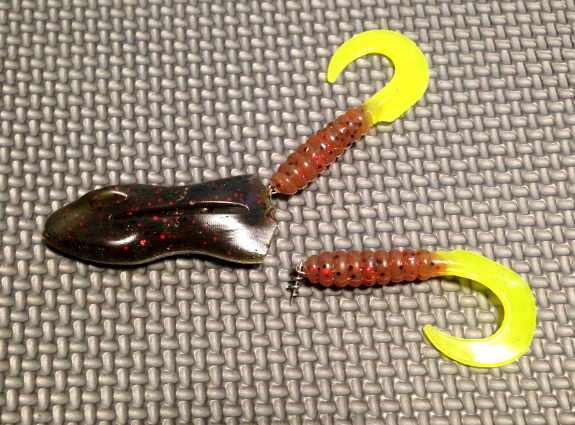
When I fish solid soft plastic frogs on top, they sometimes return with one leg.  Sometimes they return with no legs.  I bring these wounded warriors into my workshop and perform plastic surgery.

Fish360 Frankenstein Frogs

The operation starts by cutting a 0.25″ deep slot on the end of a curly tail grub via utility knife.  I then fuse the curly tail grub onto the leg stub via adhesive.  I use a clip to hold the new leg in place while the adhesive dries.

When fish amputate both legs and I have no stubs to work with, I use metal instead of glue.  I connect new appendages via inter-connected Owner Centering Pin Springs.

Fish360 Frankenstein Frogs

Frankenstein frogs are a great way to extend the life of your solid soft plastic frogs.  Fish eat pretty frogs.  Fish eat ugly frogs.  Fish Frankenstein Frogs! 🙂

Facebooktwitterlinkedin

DIY O-Ring Rigger

Wacky rigging Senkos is an proven presentation.  I use O-rings on my wacky rigged Senkos because they help reduce bait mortality and a depletion of my bank account.  To put an O-ring on a Senko, you need an O-ring rigger.  You can buy a commercial O-ring rigger.  You can also make your own with some simple tools and inexpensive materials.
Fish360 DIY O-Ring Rigger Senko

Materials

  • Sharpie Marker
  • O-Rings
  • 1″ 8/32 Machine Screw

Tools

  • Safety Glass
  • Plastic gloves
  • Needle Nose Pliers
  • Philips Screw Driver
  • Power Drill
  • 1/8″ Drill Bit

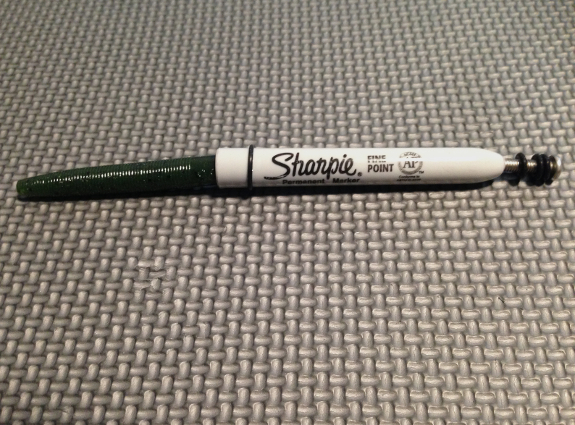
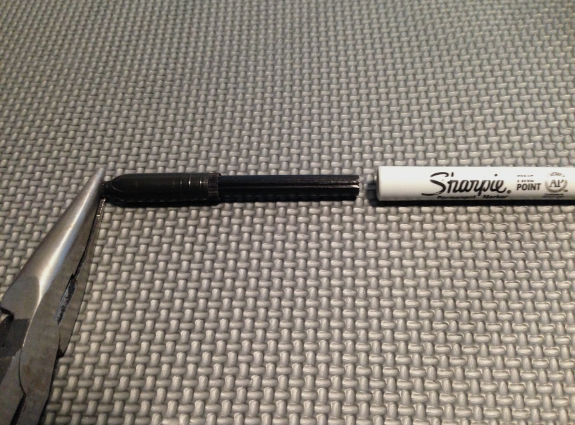
First, remove the internal cartridge with a pair of pliers from the spent Sharpie marker.  Be sure to ware plastic gloves and safety glassed.

Fish360 DIY O-Ring Rigger Senko

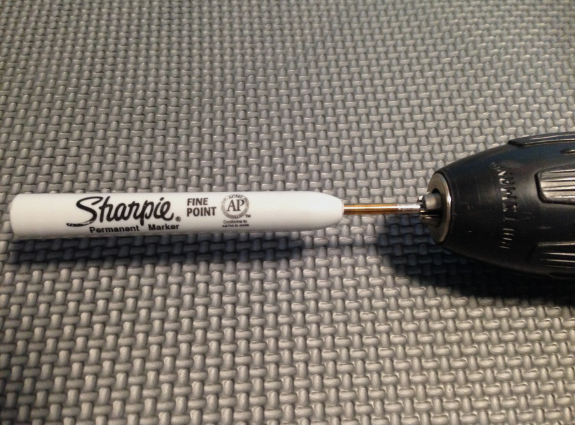
Second, make a hole on the end of the Sharpie chamber with a power drill and 1/8″ drill bit.

Fish360 DIY O-Ring Rigger Senko

Third, insert the O-rings into a 1″ 8/32 machine screw and drive it into the Sharpie chamber with a screw driver.  For large O-rings, insert a flat washer and then the O-rings to keep the O-rings in place.

Fish360 DIY O-Ring Rigger Senko

For large O-rings, insert the screw through a flat washer and then insert the O-rings.

I fish 4″, 5″, 6″, and 7″ Senkos.  I use three different size O-rings.  I have three O-ring riggers, one for each size of O-ring.  My DIY O-ring rigger gets an O-ring on my Senkos just as well as my commercial O-ring rigger.  Equal performance at a lower cost.  The choice is yours. 😉

Facebooktwitterlinkedin